
Red Lizard Whiptail Catfish (Rineloricaria sp.)
Red Lizard Whiptail Catfish (Rineloricaria sp.)
Couldn't load pickup availability
Red Lizard Catfish (Rineloricaria sp.)
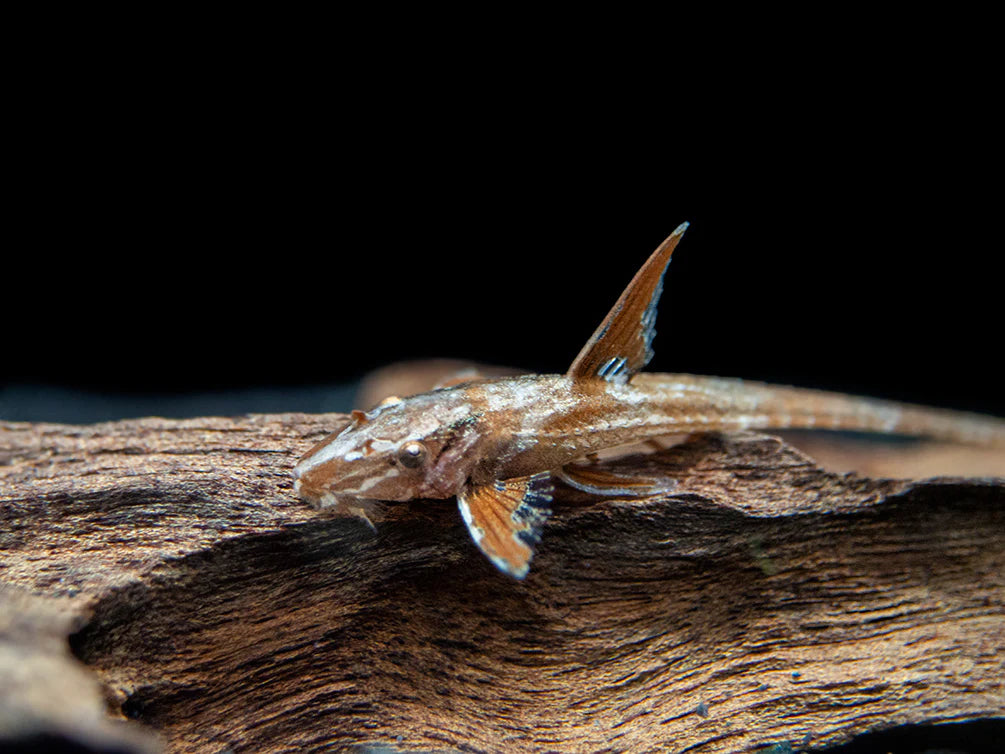
The Red Lizard Catfish, also commonly known as the Red Whiptail Catfish, is a striking and unusual suckermouth catfish prized for its slender body, beautiful reddish colouration and peaceful temperament.
With their unique appearance and relatively manageable adult size, Red Lizard Catfish make a fantastic addition to peaceful community and planted aquariums.
Quick Facts
-
Scientific Name: Rineloricaria sp.
-
Common Name: Red Lizard Catfish / Red Whiptail Catfish
-
Origin: Tank-Bred
-
Adult Size: Approximately 10–12cm
-
Diet: Omnivore
-
Temperature: 24–29°C
-
pH: 6.0–7.5
-
Temperament: Peaceful
-
Tank Level: Bottom
-
Sex: Unsexed
Overview
Red Lizard Catfish have a distinctive long, slender body and pointed tail that gives them a very different appearance from the more commonly seen Plecos.
Their beautiful rusty-red to orange colouration makes them particularly eye-catching against green plants, dark substrate and natural driftwood.
The exact origin of the Red Lizard Catfish seen in the aquarium trade is somewhat uncertain, and it is generally sold as Rineloricaria sp. Fish available within the hobby are typically captive-bred.
Behaviour & Compatibility
Red Lizard Catfish are gentle and peaceful and are well suited to community aquariums containing other non-aggressive species.
Suitable tankmates can include:
-
Tetras
-
Rasboras
-
Corydoras
-
Gouramis
-
Peaceful Dwarf Cichlids
-
Other peaceful Catfish
-
Rainbowfish
-
Adult shrimp
Their peaceful nature means they should not be housed with highly aggressive or overly boisterous fish that may prevent them from feeding.
Very small shrimp fry may potentially be eaten opportunistically, although adult shrimp are generally left alone.
Aquarium Setup
A well-established aquarium with plenty of driftwood, rocks, plants and hiding places is ideal.
Red Lizard Catfish spend much of their time resting on wood, rocks, plants and the aquarium floor. They can initially be shy, but once settled they will often become increasingly visible during the day.
A sand or smooth substrate is recommended, along with good filtration and regular water changes.
Driftwood is particularly useful for providing natural surfaces for biofilm and algae growth, which the fish may graze on throughout the day.
Feeding
Red Lizard Catfish are omnivores and should be offered a varied diet rather than being relied upon simply as algae eaters.
Suitable foods include:
-
Quality sinking wafers and pellets
-
Algae and spirulina wafers
-
Frozen bloodworms
-
Brine shrimp
-
Daphnia
-
Repashy-style gel foods
-
Blanched courgette
-
Cucumber
-
Spinach and other suitable vegetables
Providing both plant-based and protein-rich foods will help maintain good growth, colour and overall condition.
Make sure food reaches the bottom of the aquarium, particularly when they are housed with fast-feeding community fish.
Why We Love Them
The Red Lizard Catfish is a fantastic choice for anyone wanting a bottom-dwelling fish that's a little different.
Their combination of brilliant red colouration, unusual whiptail appearance, peaceful personality and manageable adult size makes them especially attractive in planted and natural-style aquariums.
They're peaceful, interesting to watch and look incredible sitting amongst driftwood and lush green plants.
Product photos are for reference only. As these are live fish, exact size, colour and markings may vary between individuals.
Share