
Apistogramma Borellii Opal 1M and 1F pair
Apistogramma Borellii Opal 1M and 1F pair
Couldn't load pickup availability
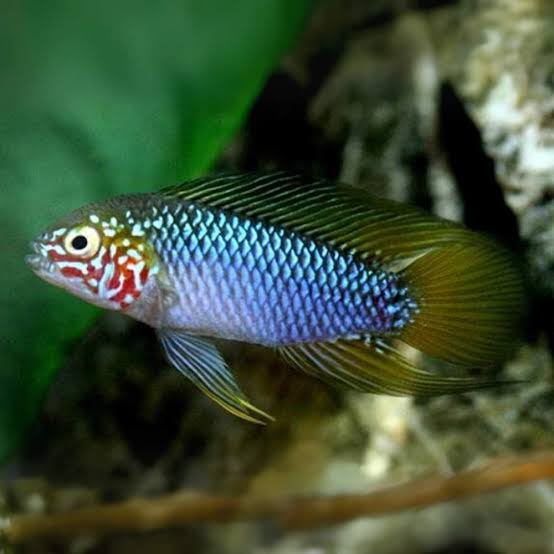
The Apistogramma Borellii Opal is a stunning colour variety of the popular Apistogramma borellii. Known for its beautiful iridescent blue colouration, yellow highlights and impressive finnage, this peaceful dwarf cichlid is an incredible addition to planted and community aquariums.
Borellii are generally considered one of the more peaceful and approachable Apistogramma species, making them a fantastic choice for aquarists wanting to experience the personality and fascinating behaviour of dwarf cichlids.
Quick Facts
- Scientific Name: Apistogramma borellii “Opal”
- Common Name: Borellii Opal / Opal Apistogramma
- Origin: South America
- Adult Size: Males approximately 6–7cm, females 4–5cm
- Diet: Omnivore / Micropredator
- Temperature: 20–26°C
- pH: 5.5–7.5
- Temperament: Peaceful to Semi-aggressive
- Tank Level: Bottom to Mid-Water
- Minimum Tank Size: Approximately 60L+
- Breeding: Cave Spawner
- Sex: Unsexed unless otherwise stated
Overview
The Borellii Opal is a beautiful selectively bred form of Apistogramma borellii, with mature males developing particularly impressive colouration.
Depending on the individual, males can display a combination of metallic blue, turquoise, yellow and orange tones, along with elongated fins and intricate markings.
Females are generally smaller and less colourful but can develop an intense yellow colouration when breeding and caring for fry.
Their manageable size and relatively peaceful nature make Borellii Opals an excellent feature fish for a carefully planned community or dedicated dwarf cichlid aquarium.
Behaviour & Compatibility
Borellii Opals are generally peaceful for a dwarf cichlid, although they can become territorial when breeding.
Suitable tankmates can include:
- Tetras
- Rasboras
- Pencilfish
- Corydoras
- Small peaceful Catfish
- Other peaceful community fish
Small schooling fish can work particularly well as dither fish, helping the Apistogrammas feel more secure and encouraging them to spend more time out in the open.
Avoid highly aggressive or overly boisterous species that may intimidate them or compete heavily for food.
When breeding, females can become surprisingly protective of their cave and fry, so plenty of space, structure and hiding places are recommended.
Aquarium Setup
A well-planted aquarium with fine sand, driftwood and plenty of caves provides an ideal environment for Borellii Opals.
Suitable hiding and spawning areas can be created using:
- Driftwood
- Coconut caves
- Small terracotta caves
- Rocks
- Dense planting
- Leaf litter and botanicals
A fine sand substrate allows them to display their natural behaviour of sifting through the substrate while searching for food.
Providing multiple caves and visual barriers is particularly important when keeping a pair or group.
Feeding
Borellii Opals should be offered a high-quality and varied diet.
Suitable foods include:
- Quality small cichlid pellets
- Brine shrimp
- Bloodworms
- Daphnia
- Mysis shrimp
- Live foods where available
Regularly offering frozen or live foods can help encourage excellent colouration, healthy growth and breeding condition.
Breeding
Apistogramma borellii are cave spawners and can be a very rewarding dwarf cichlid to breed.
The female will typically select a cave or sheltered area where she lays and guards her eggs. Once the fry hatch and become free-swimming, she will lead them around the aquarium while protecting them from potential threats.
Females often develop a striking bright yellow breeding colour during this period.
Why We Love Them
Borellii Opals are one of our favourite Apistogrammas for their combination of incredible colour, manageable size and relatively peaceful personality.
A mature male displaying his shimmering blue and yellow colouration amongst lush green plants can be absolutely stunning.
They're an excellent option for both Apistogramma enthusiasts and aquarists looking to try their first dwarf cichlid.
Product photos are for reference only. As these are live fish, exact size, colour and markings may vary between individuals.
Share